Most people don’t plan to “use” a screen protector.
You just put one on and expect it to stay out of the way.
But in reality, especially here in Canada, it rarely stays that simple.
A few weeks in, something starts to feel off:
a corner lifts slightly
dust gets in
or the surface just doesn’t feel as smooth anymore
None of these are big problems.
But they happen often enough that you end up replacing it.
That’s usually the point where you start wondering:
Is there actually a difference between cheap ones and the more expensive ones?
Products like TORRAS don’t position themselves as “stronger.”
Almost all tempered glass protectors today are already strong enough for daily use.
What they’re really trying to fix is everything around that:
installation that doesn’t go wrong
edges that don’t start lifting
a surface that still feels normal after a few weeks
It’s less about protection, more about not having to deal with it again.
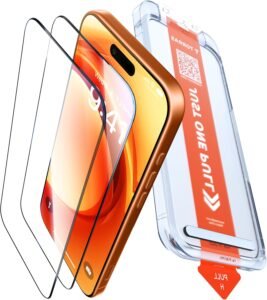
The installation part changes more than expected
If you’ve installed a few screen protectors before, you probably know the process:
Clean → align → adjust → hope it lands right
And even then, something can go wrong.
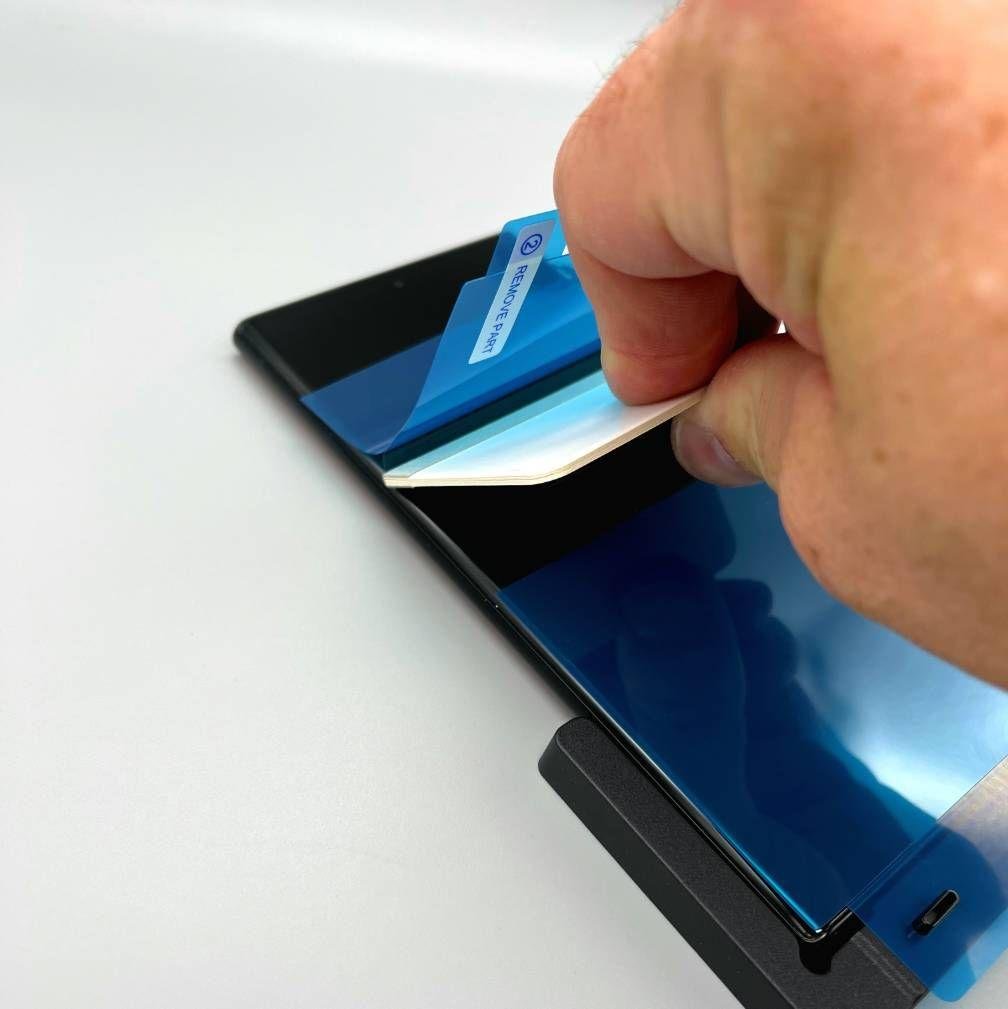
With TORRAS, the alignment frame basically removes that whole step.
You just place it, press down, and it lines itself up.
It sounds like a small thing, but it changes the experience from:
“Let me try not to mess this up”
to:
“This is probably going to work”
For a lot of people, that alone is worth it.
What it feels like after a few days (this is where it matters)
The first day, everything feels fine with almost any screen protector.
The difference shows up later.
Swiping and daily use
After a few days, you start noticing small things:
your finger doesn’t drag as much
it stays cleaner throughout the day
it doesn’t get that slightly “sticky” feeling
It’s subtle, but once you notice it, it’s hard to ignore.
Looking at the screen (especially outside)
In bright environments—like walking outside in winter sun or sitting near a window:
reflections feel slightly softer
the screen looks closer to “bare glass”
It’s not dramatic, but it’s consistent.
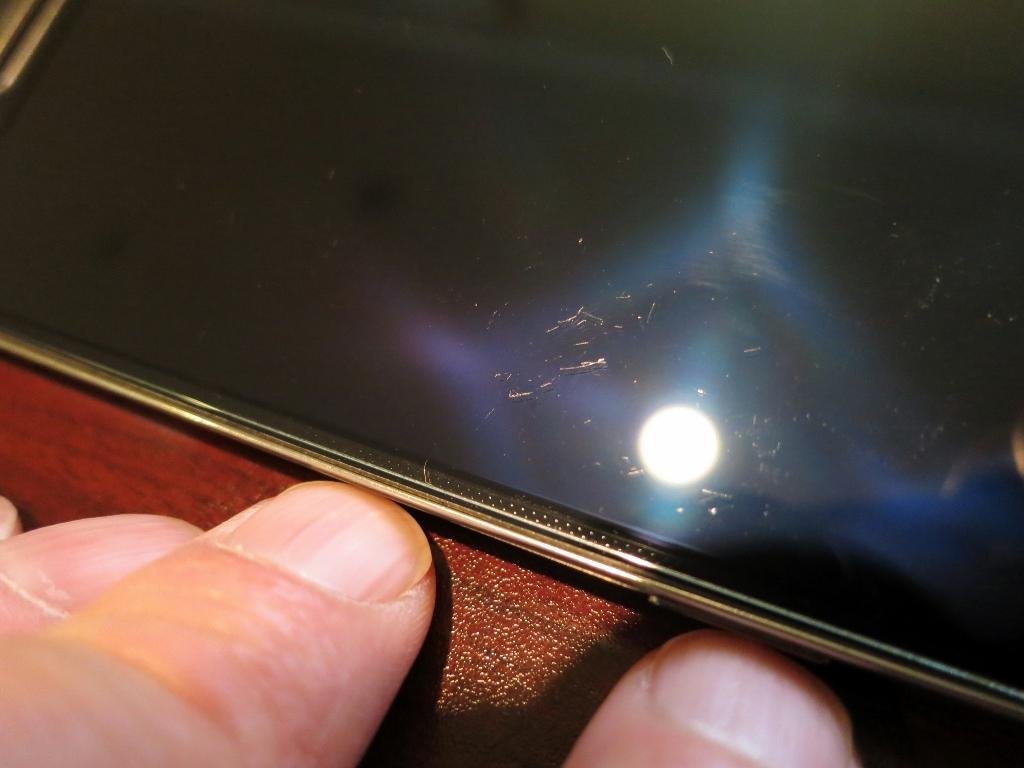
Edges (the usual failure point)
This is where cheaper ones usually give up first.
After some time:
the edge starts lifting
your phone case pushes against it
dust gets in
With this kind of protector, that process just takes longer.
It doesn’t mean it never happens—but it’s less likely to happen quickly.
It’s not perfect, and that matters
There are still trade-offs.
You can still get light scratches over time
Under certain lighting, you might notice minor marks
And the price is noticeably higher
So it’s not about getting something flawless.
It’s more about getting something that stays “good enough” for longer.
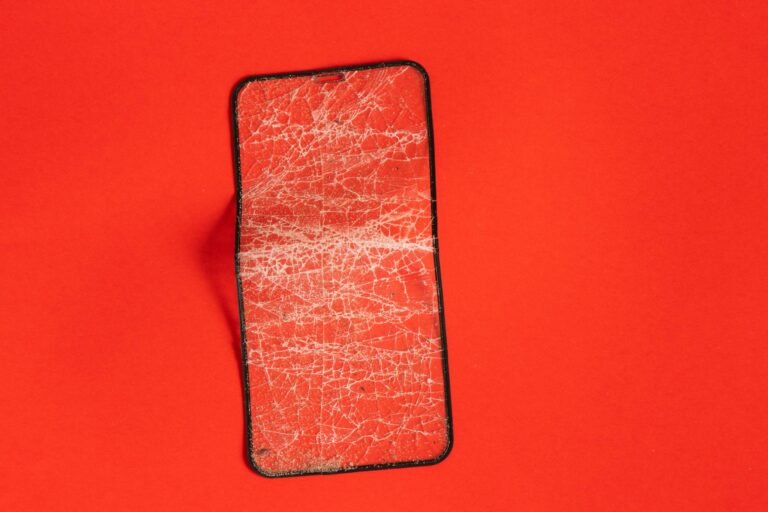
Where it actually makes sense
This kind of product makes more sense if:
you’ve already gone through a few cheap protectors
you don’t want to reinstall one every month or two
you notice small things like drag or edge lifting
If you’re someone who just replaces them often anyway, this might not feel very different.
Buying it on Amazon Canada feels like a different decision
At this point, you’re not really choosing between products.
You’re choosing between:
paying less, but dealing with it more often
or paying more, and thinking about it less
That’s really what it comes down to.
Final thought
Most screen protectors do their job.
That’s not the question.
The difference is how long it takes before you start noticing them again.
Some start bothering you after a few weeks.
Some don’t.
And that’s usually where the extra cost starts to make sense.
By Jessica Borga. Accgo doesn’t simply review products—we look at whether they genuinely make everyday life easier, especially for people living in Canada.