Robot vacuums used to be simple machines. They moved around the floor, picked up dust, and occasionally got stuck under a chair.
But the newer generation—like the MOVA P10 Pro Ultra—tries to do something different. Instead of just vacuuming, they attempt to automate the entire floor-cleaning routine.
At Accgo, we usually look at products from a simple perspective:
Does living with this product actually remove work from your life?
With the P10 Pro Ultra, that question becomes surprisingly interesting.
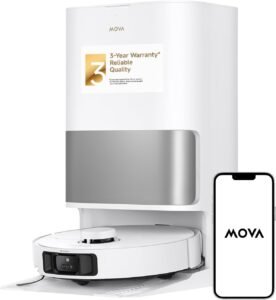
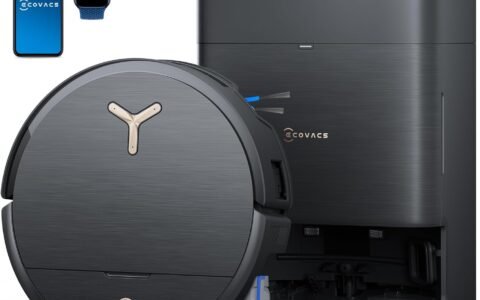
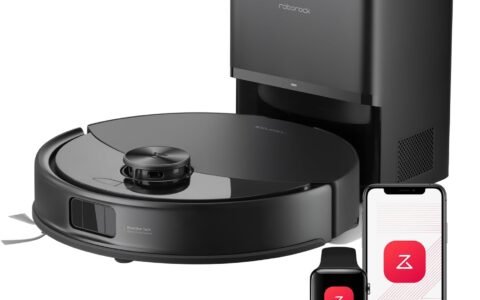
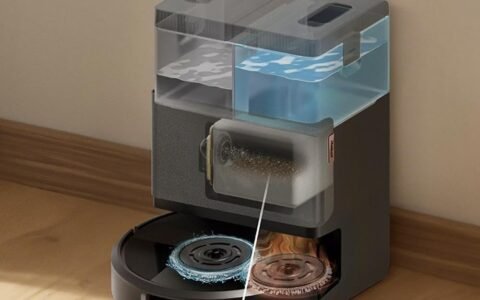
When people first see the P10 Pro Ultra, they usually notice the dock before the robot itself.
And that’s intentional.
The robot is only half the system. The dock is what allows the whole thing to run mostly on its own.
Instead of manually:
emptying the dustbin
rinsing mop pads
refilling water
the dock takes care of those steps automatically.
In everyday life, that changes how often you have to think about cleaning.
What Daily Cleaning Actually Looks Like
With traditional robot vacuums, the routine usually goes something like this:
run the robot
empty the dustbin
rinse the mop
refill water
repeat every few days
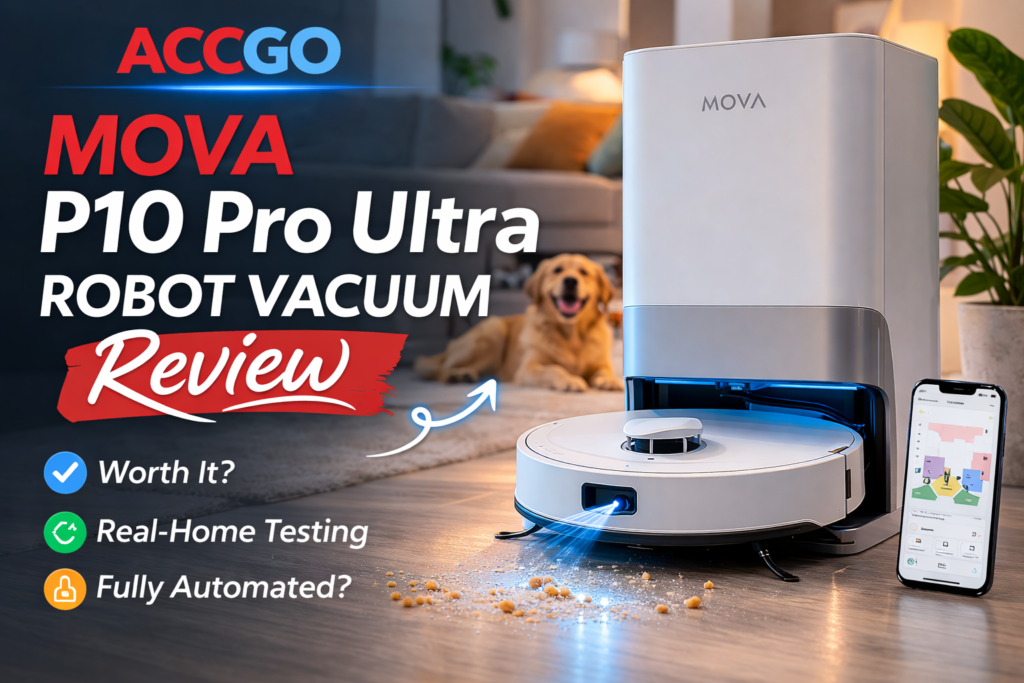
With a system like the P10 Pro Ultra, the routine becomes much simpler.
You mostly just let it run on schedule.
The robot vacuums and mops the floors, then returns to the dock where the system handles maintenance tasks automatically.
For many households, that means floors are cleaned more often simply because it requires less effort.
Where It Makes the Biggest Difference
Robot vacuums don’t replace deep cleaning. But they can dramatically change how often floors get cleaned.
The P10 Pro Ultra works best in homes where mess builds up gradually:
pet hair
dust
crumbs
everyday foot traffic
Instead of waiting until the floor looks dirty, the robot simply runs regularly and prevents dirt from accumulating in the first place.
That’s where automation starts to feel genuinely useful.
Navigation Matters More Than Power
Most people assume suction power is the most important part of a robot vacuum.
In reality, navigation matters more.
A robot with strong suction but poor navigation quickly becomes frustrating if it gets stuck or misses areas.
The P10 Pro Ultra uses sensors and cameras to recognize objects and navigate rooms more intelligently.
That helps it avoid things like:
charging cables
shoes
small toys
In homes with a lot of furniture or clutter, this can make a noticeable difference.
The Mop Feature Is Surprisingly Useful
Mopping is often treated as a bonus feature in robot vacuums, but in practice it can become one of the most useful parts.
Hard floors collect fine dust that vacuuming alone doesn’t remove.
Running the mop regularly helps keep:
kitchen floors
entryways
hallways
looking noticeably cleaner.
It’s not a replacement for deep mopping, but for daily maintenance it works well.
The One Thing People Often Underestimate
The biggest trade-off with systems like this is space.
The dock is fairly large, and it needs a permanent place near a wall and power outlet.
In smaller apartments this can feel bulky.
But the reason it’s larger is simple: the dock is what allows the robot to manage its own cleaning routine.
Who This Type of Robot Vacuum Is Best For
From the Accgo perspective, systems like the P10 Pro Ultra make the most sense for people who want to reduce daily chores.
It’s particularly useful for:
homes with pets
larger homes with multiple rooms
busy households
For smaller apartments or minimal mess, a simpler robot vacuum may be enough.
Accgo Final Thoughts
Robot vacuums used to feel like gadgets.
But products like the P10 Pro Ultra are starting to feel more like automated cleaning systems.
The biggest benefit isn’t stronger suction or smarter mapping.
It’s simply that floors get cleaned more often without anyone thinking about it.
And in everyday life, that’s what actually makes the difference.
By Jessica Borga. Accgo doesn’t simply review products—we look at whether they genuinely make everyday life easier, especially for people living in Canada.