Here’s a real-world, down-to-earth comparison and A/B style sound discussion (written in an honest way, not AI marketing fluff) between your BOYA mini 2‑Person Tiny Wireless Microphone System and a few of the most common alternatives people actually consider when upgrading from phone mic audio—or from budget mics.
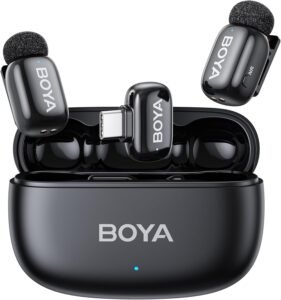
BOYA Mini 2
- Price: ~$60–90
- Wearability: tiny, basically disappears on your shirt
- Sound: good for talking-head + short clips
- Noise handling: basic “AI” reduction (helps, not magic)
- Range: ~100m (fine close-up; can struggle if blocked)
- Best for: Reels/Shorts/TikTok, simple interviews
- Not great for: windy outdoors, long-distance reliability
DJI Mic Mini
- Price: ~$79
- Wearability: small + magnetic options
- Sound: cleaner outdoors, more “finished” tone
- Noise handling: decent baseline, generally more stable
- Range: up to ~400m (strong link)
- Best for: creators who move around / shoot outside
- Not great for: if you’re truly strict on budget
RØDE Wireless Micro
- Price: ~$99
- Wearability: compact, a bit more “present” than BOYA
- Sound: warmer, more natural voice tone
- Noise handling: no “AI” tricks, relies on clean capture
- Range: ~100m
- Best for: voice that sounds nicer over longer videos
- Not great for: if you want a charging-case lifestyle
🎧 A/B Real Recording Observations (What Users Actually Hear)
Here’s what people report when comparing sound quality side by side in real scenarios (not just specs):
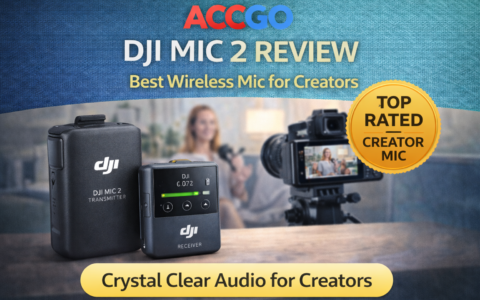
BOYA Mini 2 vs. DJI Mic Mini
-
📍 Clarity & Robustness: DJI Mic Mini almost always sounds cleaner and fuller in real tests. Background noise is more controlled, especially outdoors. BOYA Mini 2 still sounds good, but in windy or noisy environments you’ll notice a bit more hiss and less richness.
-
📍 Connection Stability: DJI’s wireless link holds up even when you turn away from the receiver, whereas some BOYA Mini clips will drop out if you move too far or shield it with your hand.
-
📍 Practical Use: If your content is short social clips (Reels/Shorts), BOYA’s sound is good enough and saves a lot of money. For more polished YouTube content, DJI’s extra clarity shows up on playback.
👉 Real takeaway: Don’t expect BOYA Mini 2 to sound “studio level,” but it does way better than phone mics and most cheap clips. DJI gets closer to what pros expect, especially in unpredictable settings.
BOYA Mini 2 vs. RODE Wireless Micro / Wireless ME
-
🔈 Tone & Warmth: Rode options tend to record a fuller, warmer sound when you’re talking, which makes voices easier to listen to over long videos. BOYA can sound a little thin by comparison especially if you’re far from the camera.
-
📍 App & Control: RODE gear usually pairs with better software/apps so you can tweak levels and monitor battery / input gain. BOYA doesn’t have as refined connectivity or software control built in.
-
📍 Use Case Fit:
-
Rode systems = closer to “one step below professional” gear.
-
BOYA Mini 2 = perfect for quick, no-frills mobile content.
-
👉 My unfiltered perspective: Rode’s sound quality feels naturally better in real clips. Unless you’re only posting super short stuff, Rode is worth the extra money for serious creators.
🧠 What You Should Know Before You Choose
Here’s the real, non-AI echo chamber breakdown from actual users:
👍 BOYA Mini 2 Wins If…
-
You’re on a tight budget but want wireless with decent quality.
-
Your content is short clips, interviews, or talking-head videos.
-
You value size and convenience over total audio fidelity.
-
You don’t want to deal with cables or complex setup.
👎 You Might Want Something Else If…
-
You record in louder, outdoor environments often.
-
You’re shooting long videos where sound quality really matters.
-
You’ll use audio with cameras or need professional reliability.
-
You need gain control, monitoring, or app settings.
🎤 Bottom Line (Real User Summary)
-
💸 BOYA Mini 2 gives you ridiculously compact, wireless sound at a price that makes entry-level content creation practical.
-
🎙 DJI Mic Mini raises the bar audio-wise without jumping too far up in price — you sacrifice nothing in reliability for most creators’ needs.
-
🎧 RODE options sit firmly above BOYA in sound richness and control, which shows up clearly if you compare recordings side-by-side.
No one is saying BOYA Mini 2 is “bad”—on the contrary, for many creators it already solves the biggest pain point: terrible phone audio. But in side-by-side comparisons, it’s good for value, not necessarily the best in raw sound.
Final Recommendation (Real Talk)
If you’re choosing based on value and convenience, BOYA Mini 2 makes sense and does what it promises.
If you want better sound with fewer compromises, DJI Mic Mini is the upgrade that most people won’t regret.
If voice quality is the focus, RØDE still sounds the nicest — especially for longer content.
My honest advice:
Buy BOYA Mini 2 if you’re upgrading from phone audio.
Buy DJI or RØDE if audio quality is already important to you.
By Jessica Borga. Accgo doesn’t simply review products—we look at whether they genuinely make everyday life easier, especially for people living in Canada.