Waking up with neck stiffness is more common than many people realize. Often, the cause isn’t the mattress or sleeping position alone—it’s the pillow.
A pillow that’s too flat, too thick, or too soft can force your neck into an unnatural position during sleep. Over time, that misalignment can create tension in the cervical spine and surrounding muscles. Sleep experts emphasize that the best pillow for neck pain is one that keeps the head, neck, and spine aligned in a neutral position throughout the night.
This guide explains what actually helps neck pain and highlights some of the best pillow types available in 2026.
Before looking at specific products, it’s important to understand what matters most in a supportive pillow.
1. Proper Neck Alignment
The most important factor is spinal alignment. A good pillow supports the natural curve of the cervical spine, preventing the neck from bending too far forward or backward.
Cervical or orthopedic pillows are often designed with raised edges and a lower center to cradle the head and support the neck.
2. Correct Pillow Height (Loft)
Pillow height determines whether your head tilts too high or sinks too low. Research shows that the correct height helps reduce stress on neck muscles and supports the natural curvature of the spine.
Typical guidance:
-
Back sleepers: medium-low loft
-
Side sleepers: higher loft for shoulder clearance
-
Stomach sleepers: very low loft (or avoid stomach sleeping if possible)
3. Supportive Materials
Materials affect how well the pillow maintains its shape during the night. Common options include:
-
Memory foam – molds to the neck and maintains support
-
Latex foam – responsive and breathable
-
Adjustable shredded foam – customizable height and firmness
Research also suggests firmer supportive pillows can help maintain cervical alignment and improve sleep quality.
Best Pillows for Neck Pain (2026 Picks)
Below are several pillow styles often recommended by sleep experts and reviewers.
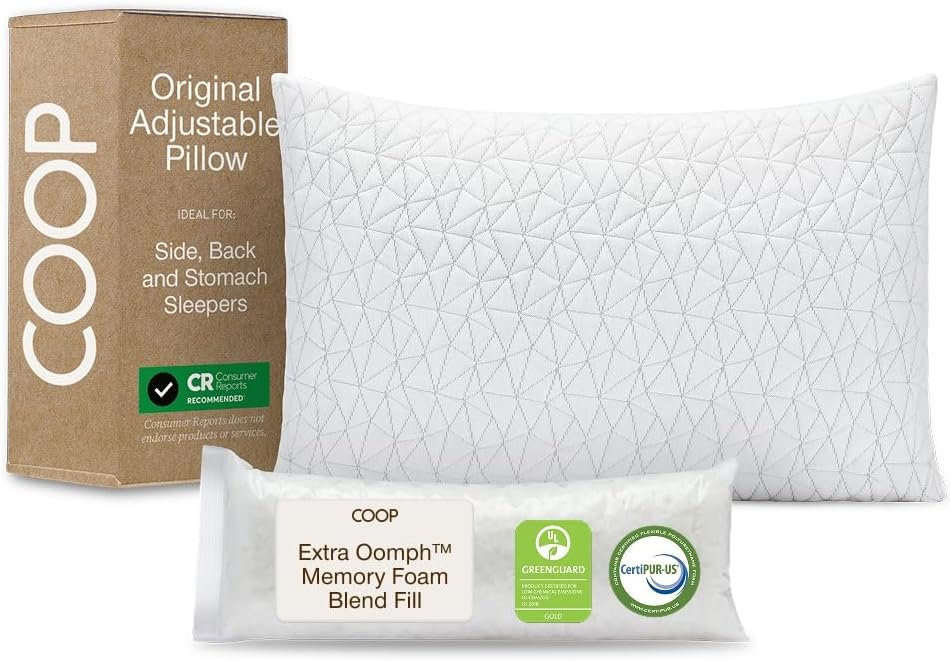
Coop Home Goods Original Adjustable Pillow
Best Adjustable Pillow for Neck Pain
This pillow uses shredded memory foam that can be added or removed to adjust the height. Because loft and firmness are customizable, it works well for many different sleep positions.
Why people like it:
-
adjustable fill for personalized support
-
breathable cover
-
suitable for back and side sleepers
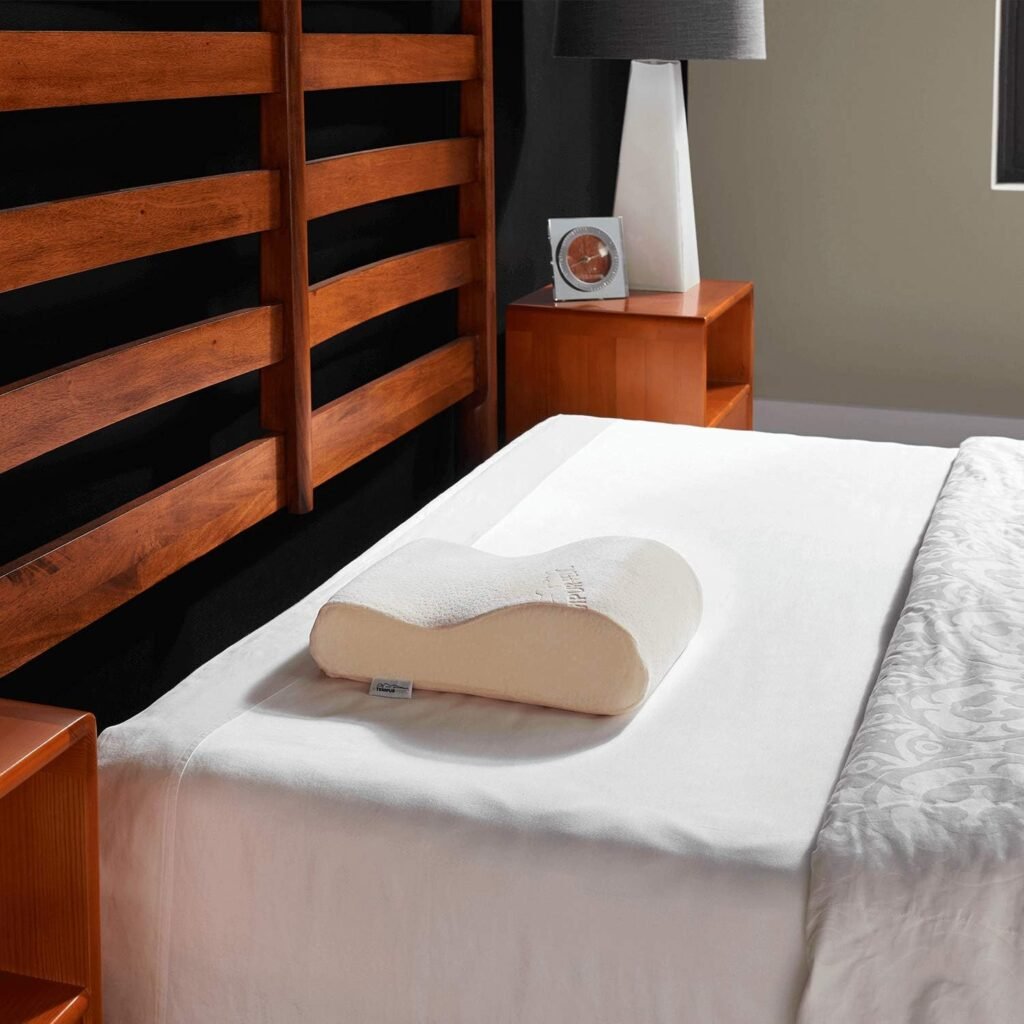
Tempur-Pedic TEMPUR-Neck Pillow
Best Ergonomic Cervical Pillow
This pillow is made from dense TEMPUR foam and features a contoured design that supports the natural curve of the neck.
Key benefits:
-
firm support for spinal alignment
-
ergonomic shape designed for neck relief
-
multiple sizes to match body types
It’s often recommended for people who prefer a structured orthopedic pillow.
Best Budget Cervical Pillow
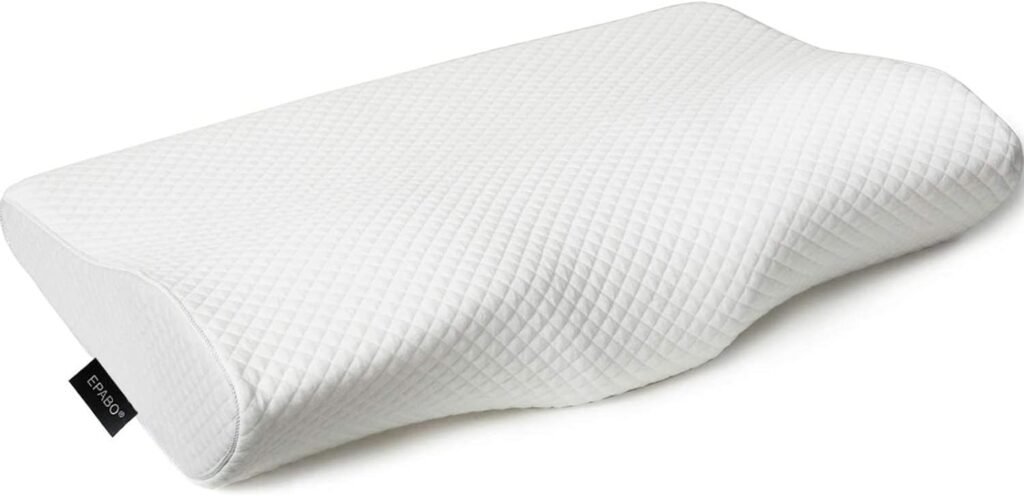
Contour memory foam pillows are among the most affordable ways to improve neck support. One commonly recommended option is the Epabo contour pillow, which uses a curved shape to cradle the neck.
Typical advantages:
-
ergonomic design
-
breathable memory foam
-
good value compared with premium brands
Best Support for Side Sleepers
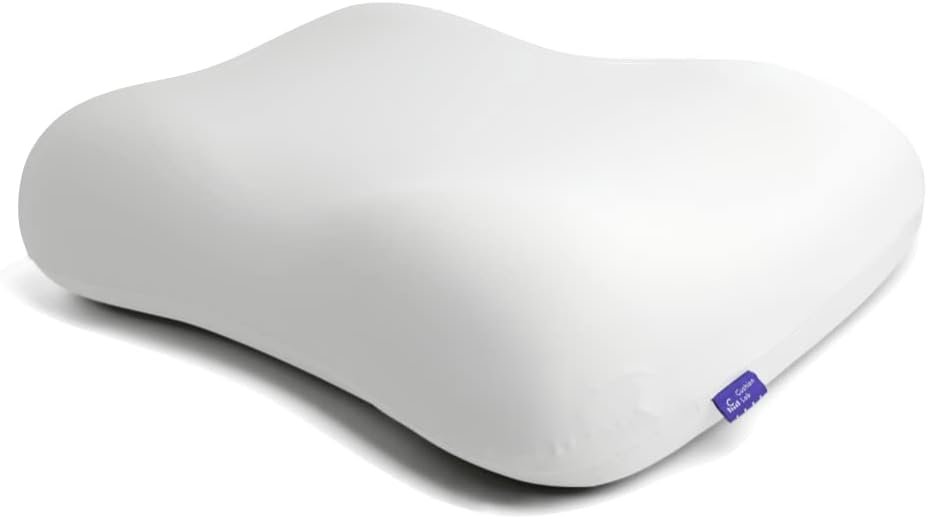
Side sleepers often need thicker pillows to keep the neck aligned with the spine. Some ergonomic models include cut-outs or contoured shapes specifically designed to reduce shoulder pressure and support side sleeping positions.
These designs help prevent the head from tilting downward during the night.
Which Pillow Is Best for Your Sleeping Position?
The best pillow varies depending on how you sleep.
Side Sleepers
Side sleepers need thicker pillows that fill the space between the shoulder and head. Without enough height, the neck bends downward and causes strain.
Back Sleepers
Back sleepers usually benefit from medium loft pillows with gentle neck support.
Stomach Sleepers
Sleeping on the stomach often worsens neck pain because the head stays rotated for hours. If you must sleep this way, a very thin pillow is usually recommended.
Signs You Need a Better Pillow
You might need a new pillow if you notice:
-
neck stiffness in the morning
-
frequent headaches after sleep
-
numbness in the shoulders or arms
-
your pillow flattening quickly
Most sleep specialists recommend replacing pillows every 1–2 years to maintain proper support.
Final Thoughts
Neck pain during sleep often comes down to one thing: alignment.
A pillow that supports the natural curve of the neck can reduce muscle strain and improve overall sleep quality. Cervical pillows, memory foam designs, and adjustable pillows are among the most common solutions because they maintain support throughout the night.
The best pillow for neck pain ultimately depends on your sleeping position, body shape, and preferred firmness. Finding the right balance between comfort and support can make a noticeable difference in how your neck feels every morning.
By Jessica Borga. Accgo doesn’t review products. It explains whether living with them actually makes life easier—especially in Canada.